MEXICAN FOOD / A GUIDE BEFORE YOU ORDER
Tamales colados or torteados? Start with the masa.
A name about straining. A name about shaping.
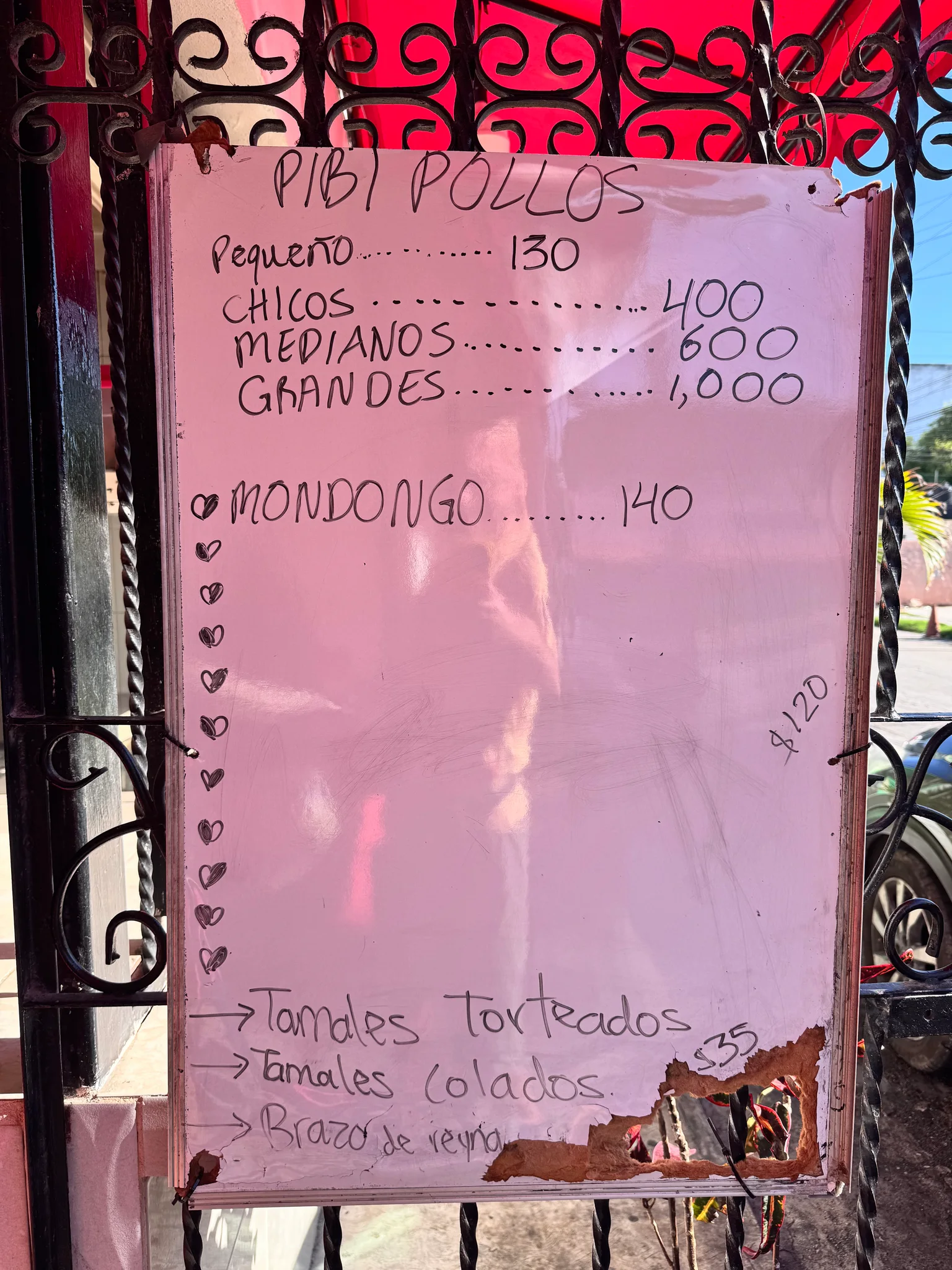
Doña Pili’s handwritten menu offers tamales torteados and tamales colados. Both are tamales; the useful distinction is how the corn masa is prepared before the parcel is cooked.
Two ways to work the masa
Colado
Colado means strained. Corn masa is diluted, strained and cooked while stirred until it thickens. This gives a particularly fine, soft texture; a colado may feel more delicate than a hand-shaped tamal. Recipes vary between cooks and regions.
Torteado
Torteado refers to forming the masa by hand, as when shaping a tortilla. The masa is spread or flattened, filled, folded into a leaf and cooked. Expect a more clearly formed layer of masa; it does not mean fried.
| What changes | Colado | Torteado |
|---|---|---|
| Before wrapping | Diluted and strained masa, thickened over heat | Masa shaped or flattened by hand |
| The usual impression | Very fine and soft | A formed layer of masa around the filling |
| What the name cannot tell you | The exact filling, spice level or portion size | The exact filling, spice level or portion size |
These are general techniques, not a claim that every cook follows one fixed recipe. Pedro Uc describes both preparations in the Maya culinary context; Larousse documents regional variations of colados.
A banana leaf can wrap either one.
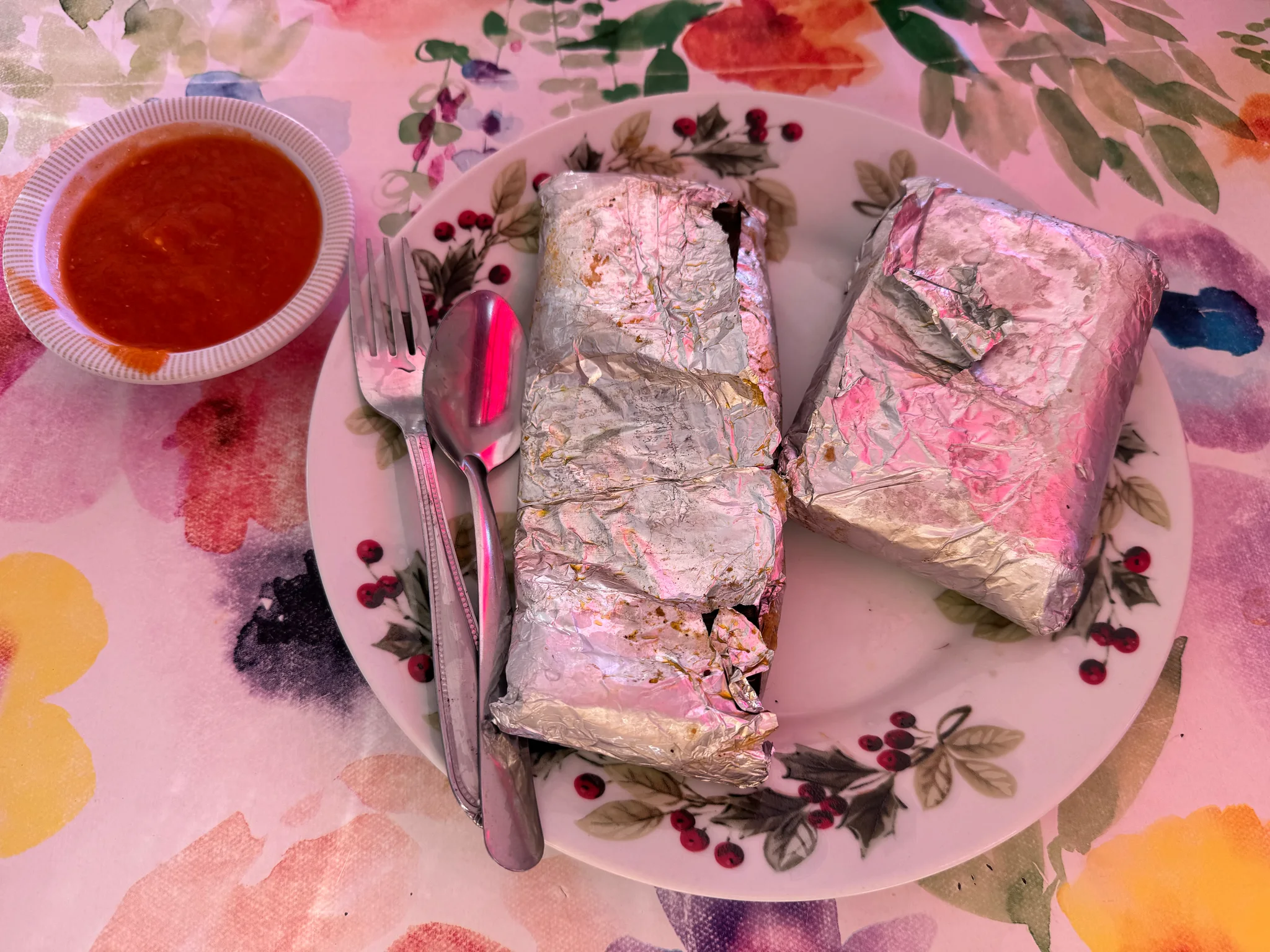
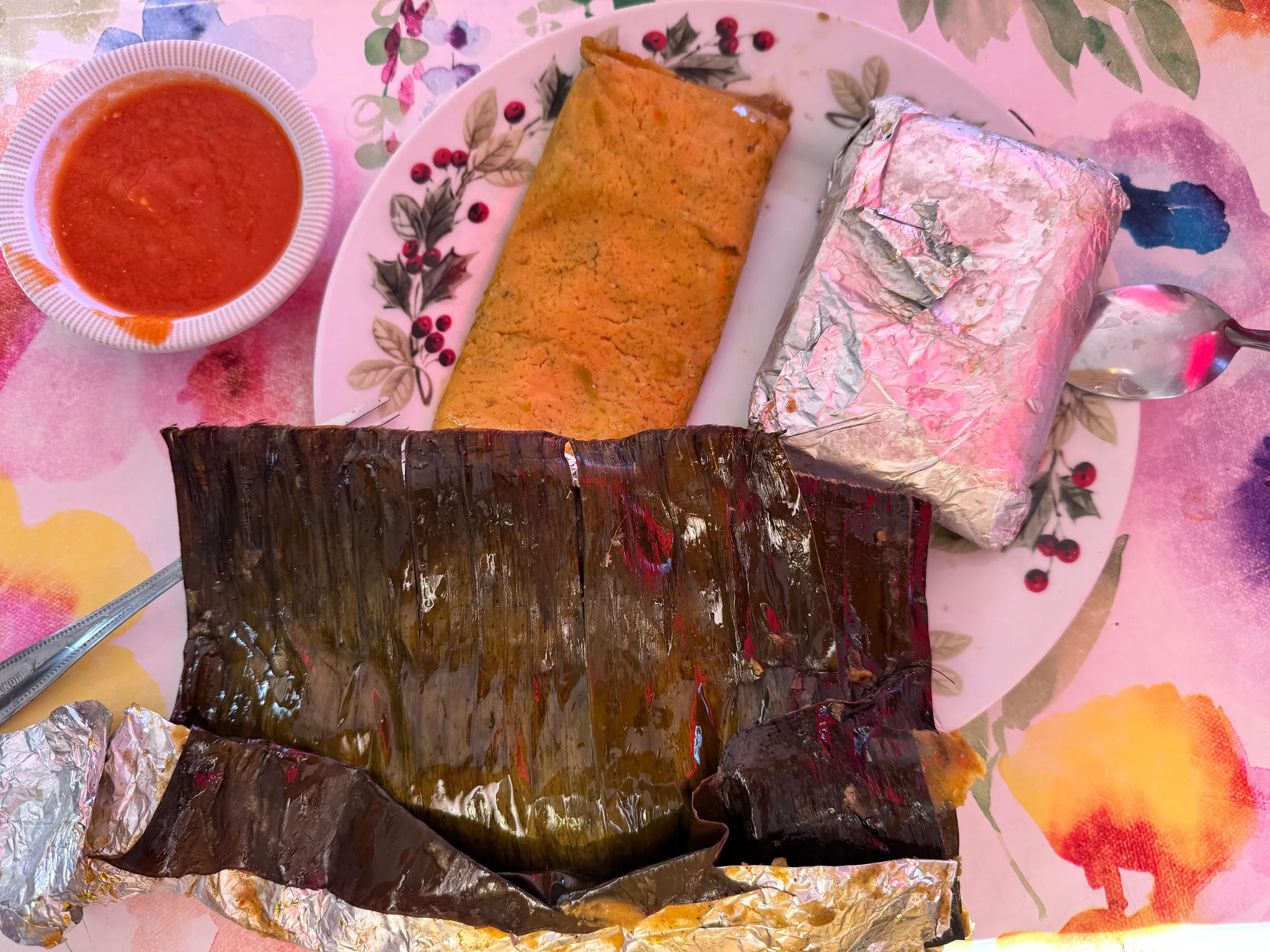
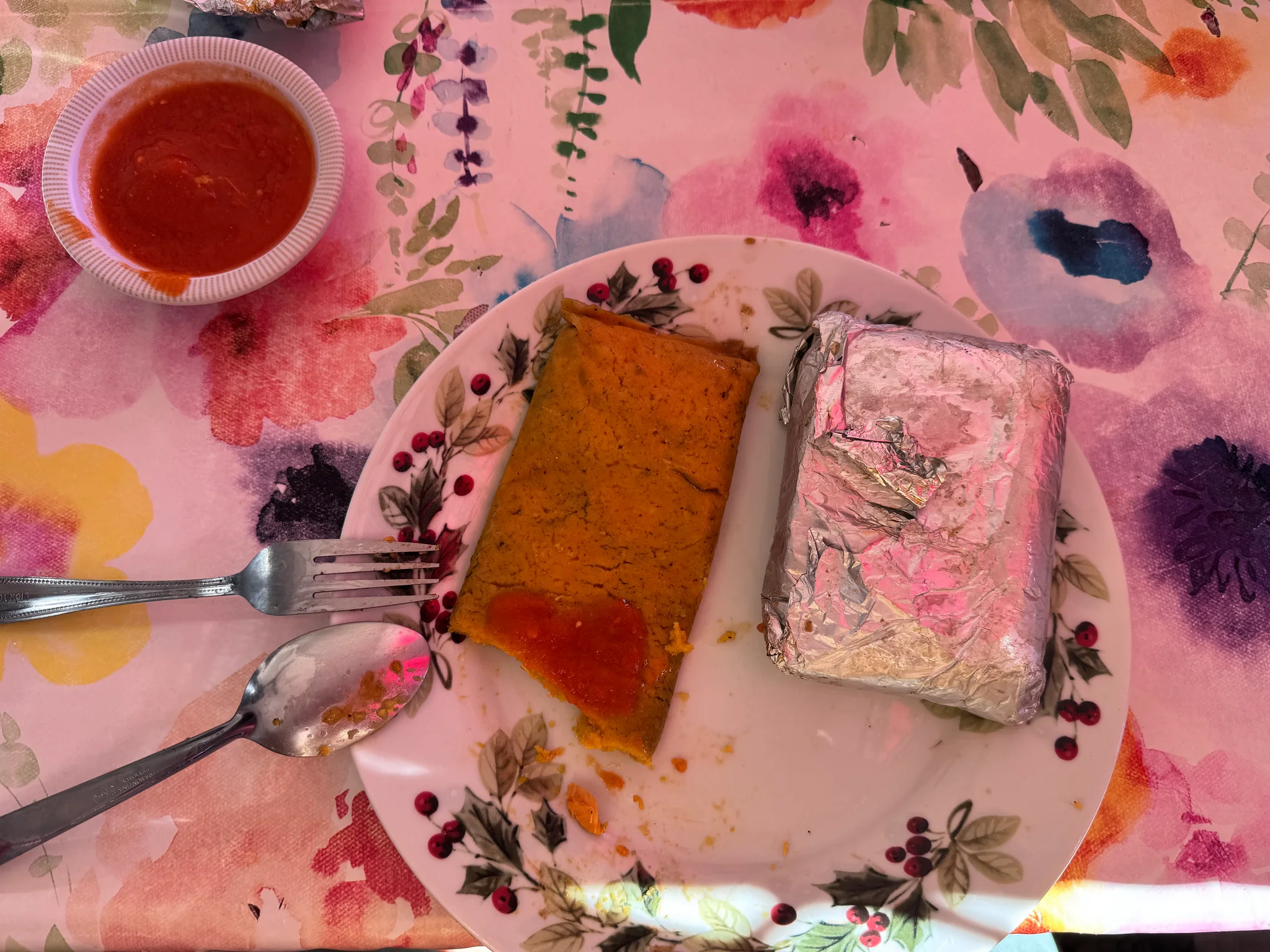
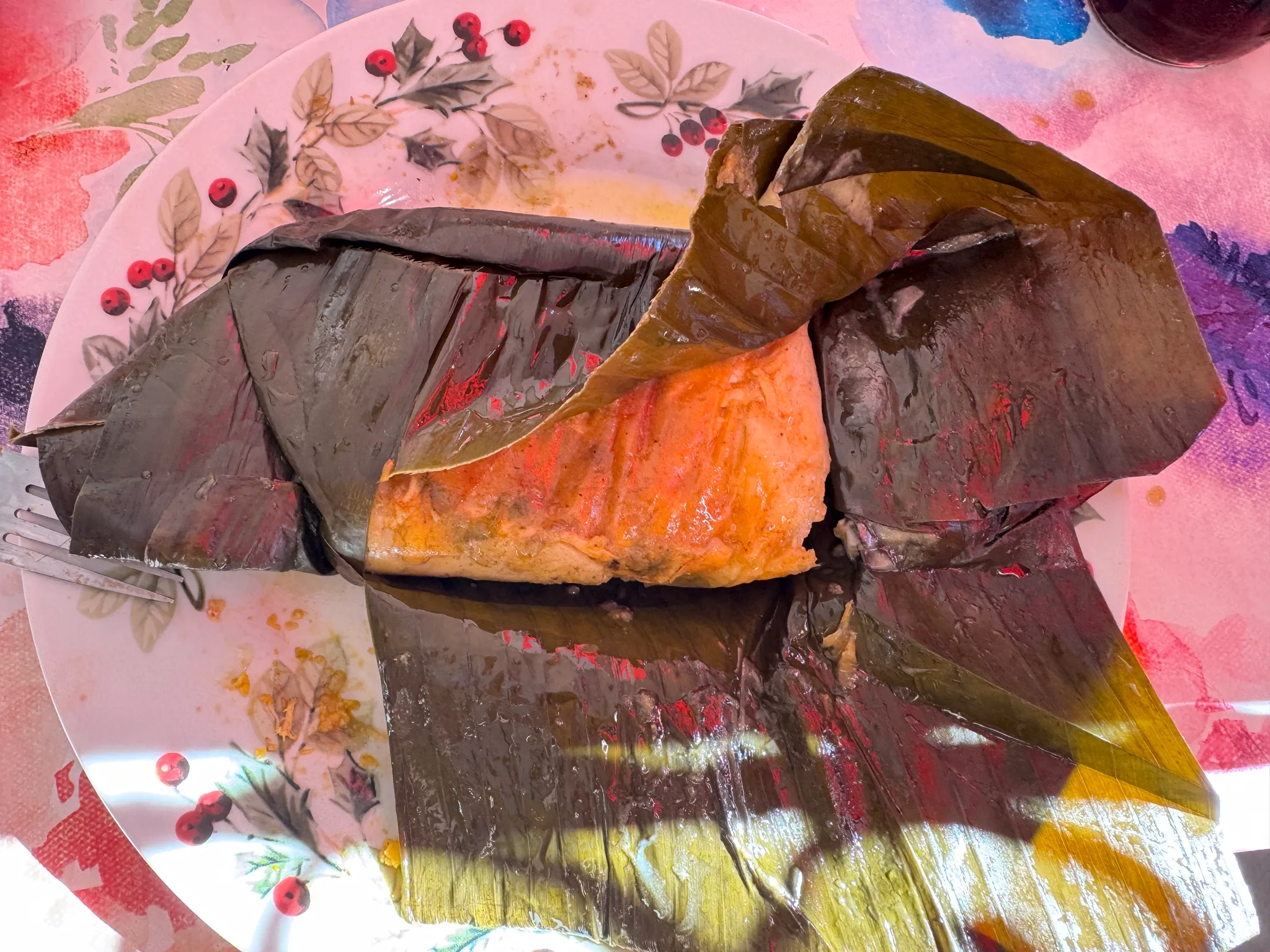
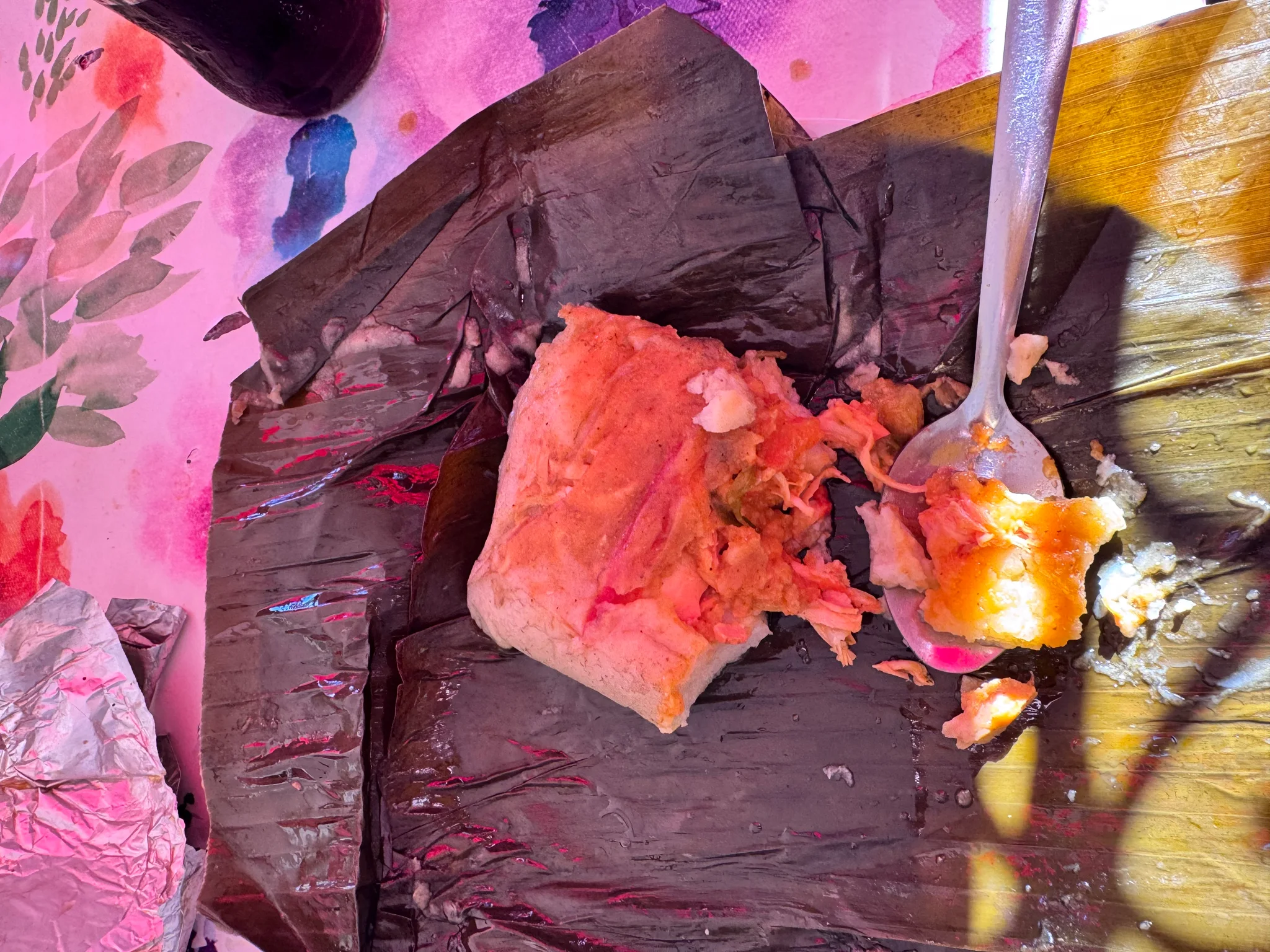
Both styles can be wrapped in banana leaves. Foil may be added for serving or carrying. The wrapper, its colour and the parcel’s shape do not reliably identify the style. Open the wrapping before eating; the leaf and foil are not the food.
Unwrapping at Doña Pili
Art supplied these six original photos for the comparison. The menu confirms both names; the photos show the wrapping, masa and a cut-open portion. They do not label each individual parcel, so we do not assign a variety to a photo from appearance alone.
Choose the filling separately.
Colado and torteado name the preparation, not the meat. Ask which fillings are available that morning, whether the masa contains lard and how spicy the filling or salsa is. A corn-based tamal is not automatically vegetarian or vegan.
Ask for one of each.
“Un tamal colado y uno torteado, por favor.”
One colado tamal and one torteado tamal, please.
Say it approximately: oon tah-MAHL koh-LAH-doh ee OO-noh tohr-teh-AH-doh, pohr fah-VOHR.
“¿De qué son?” — What are the fillings? “¿Cuál es el colado?” — Which one is the colado?
A few useful questions
Is a torteado tamal fried?
The term describes how the masa is shaped. It does not by itself mean fried. Ask about the preparation at the place where you order.
Does “colado” mean the filling is strained?
The key reference is the preparation of the corn masa. Fillings and sauces have their own recipes.
Can I identify them from foil or banana leaves?
No. Both may use banana leaves, and foil can be an outer serving wrap. Ask the cook or server to identify each portion.
Sources & original photographs
- Pedro Uc · Waaj: palabras mayas para la masa, la tortilla y el tamal
- Larousse Cocina · Diccionario enciclopédico de la Gastronomía Mexicana: tamal colado
Technique references checked November 2, 2026. Photos supplied by Art; the exact capture date and the cook’s full recipe were not recorded. The photos and menu document this visit; the sources explain broader culinary usage.